TypeTogether together with Type Network
For Veronika Burian and José Scaglione, type design is a fundamentally collaborative, problem-solving discipline—one shaped as much by function, context, and research as by form. Since meeting at the University of Reading and founding TypeTogether in 2006, they have built a practice that treats type as a tool to be refined over time and across cultures.
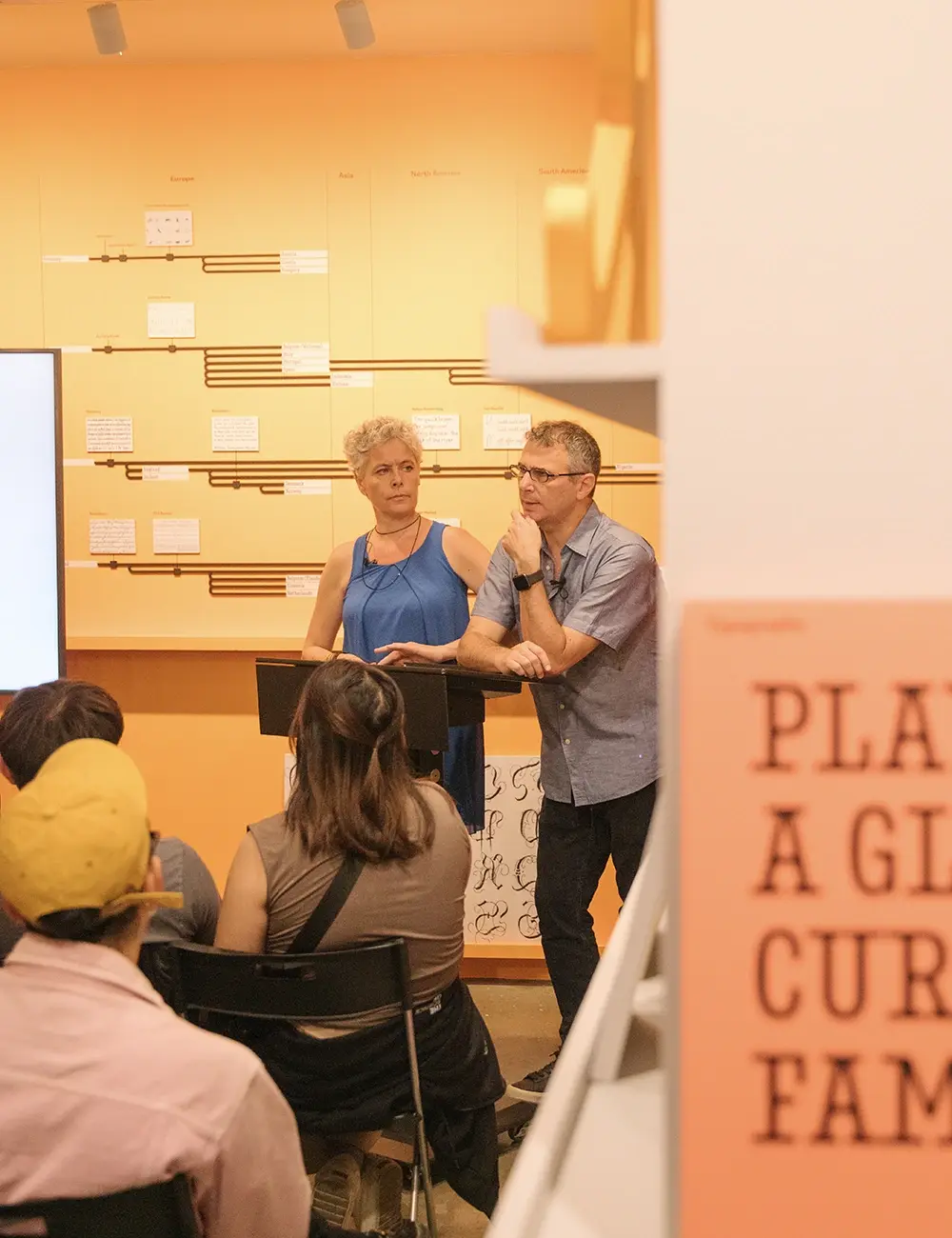
Veronika and José lecture at the HMCT Gallery.
Lucas Czarnecki: How did you meet? Was it through type?
Veronika Burian: Yeah—well, we basically met in Reading. I was there in 2002–2003 doing the Type Design course, and José arrived in the summer of 2003.
José Scaglione: Yes, I arrived early. I was trying to finish most of the reading list before the course started... I managed about 90%, I think!
VB: We did not have as much contact at first—I don’t quite remember—but you were hanging around the university, and we somehow got to like each other.
JS: What connected us is that we realized we think alike about type design. Probably because of my previous business experience and Veronika’s experience as an industrial designer, we both have—let’s say—an industrial approach to type.
We see type as an instrument, as a tool. Not primarily from an artistic point of view, but something that needs to be used, that needs to be read—something that functions.
VB: Yes, exactly. It’s a functional perspective. That doesn’t mean it can’t be beautiful! On the contrary, good industrial design is beautiful because it fits its purpose perfectly.

TypeTogether creates innovative and stylish solutions to the greatest problems in the professional typography market worldwide.
JS: The first project we did together, back in 2006 when we started, was essentially a test—whether we could design together.
At that time, Veronika was in Boulder, Colorado, and I was in Argentina. Collaborative type design, especially long-distance, didn’t really exist, and the tools were quite inadequate.
So, I would send sketches to V, she would modify them and send them back—all by email. Eventually we reached a point where we both felt satisfied with the results. But fundamentally, it required trust and respect for each other’s decisions.
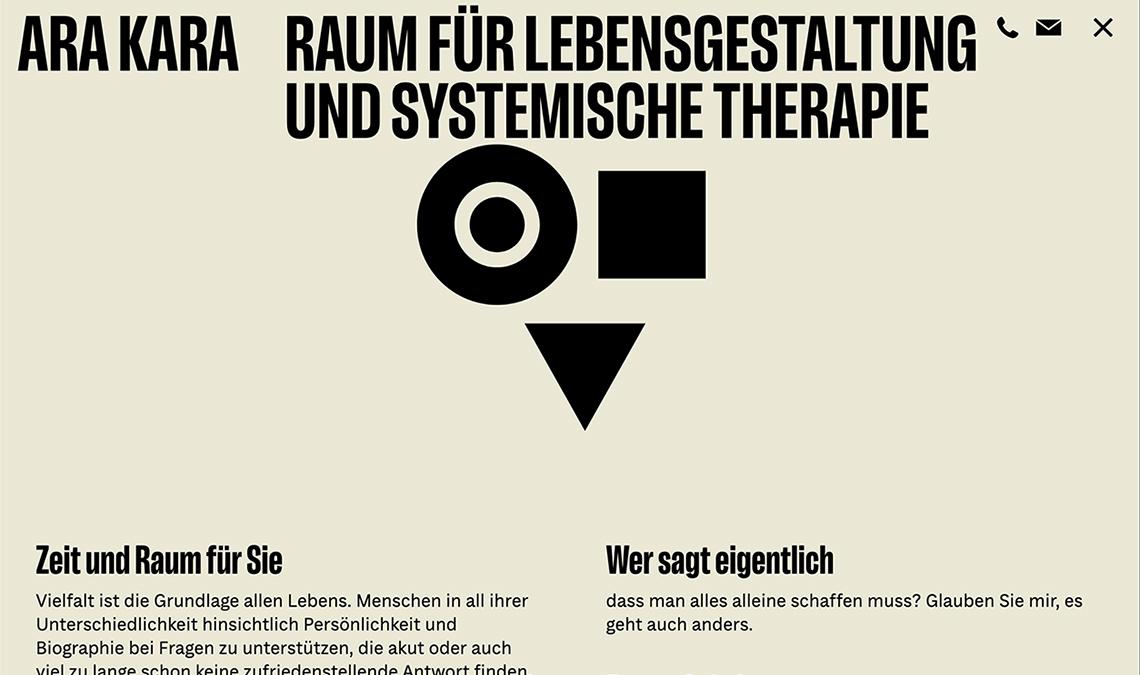
German design studio Cerno Design has used Lektorat (Florian Fecher’s first design and the recipient of the 2019 Gerard Unger Scholarship) to create an engaging website for Ara Kara, the pratice of Munich-based therapist Nan Mellinger.
Lektorat Display Condensed
Regular
Starting at $35
BuyVB: And it helped that type files are small—you didn’t have to upload large files. Back then Skype was just starting, so we used that and a lot of email.
It became this kind of ping-pong process: Developing fonts together, discussing the idea, the concept, the family, the scope, where we wanted things to go.
JS: And at that time, we were also among the very few independent foundries—basically just two people—who were focusing on text type.
VB: Yes, most people were doing display.
JS: From that moment on, everything has been collaborative. And as the team grew, new members also contributed ideas and participated in the process.
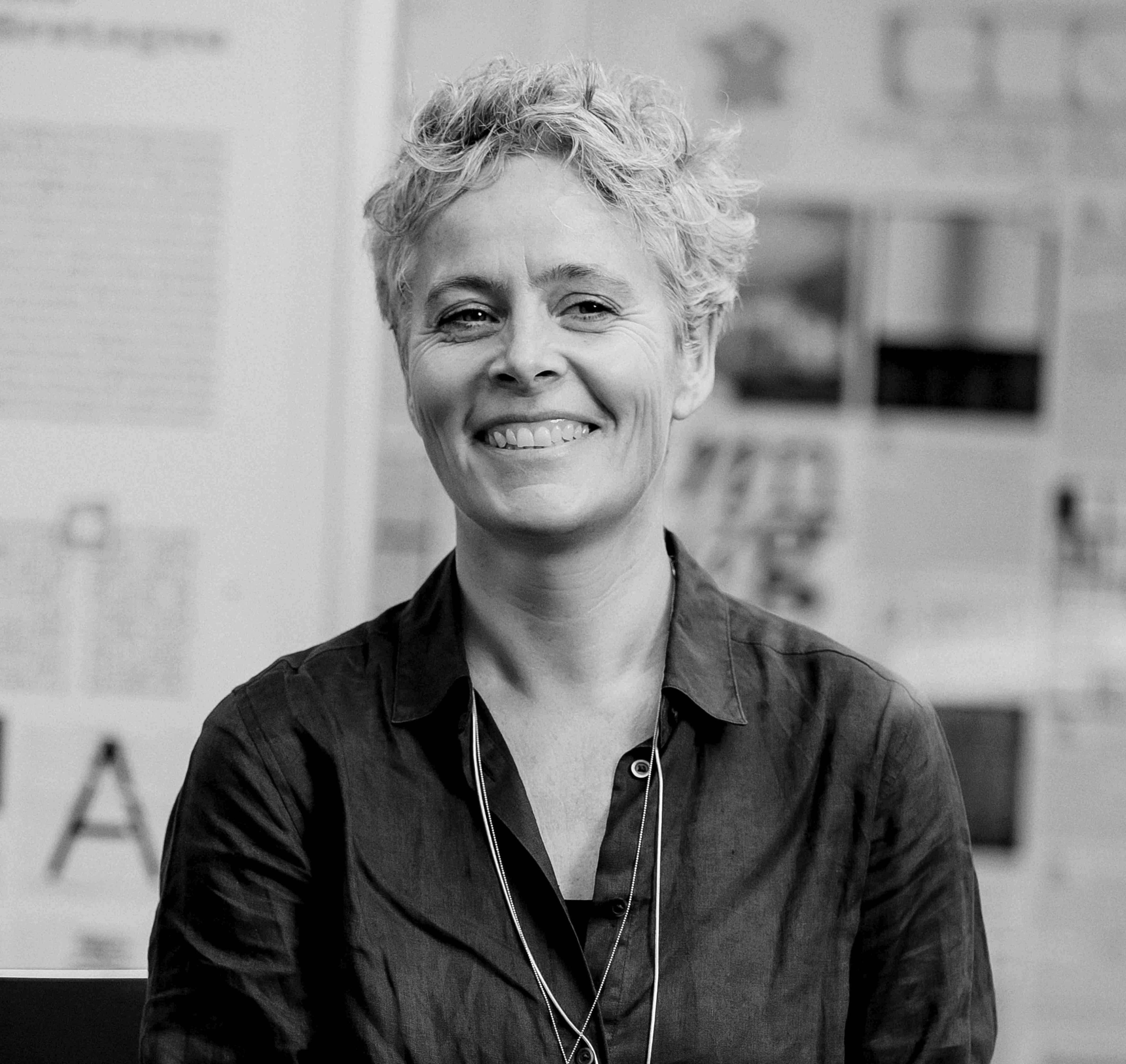
Veronika Burian, born in Prague, originally studied industrial design in Munich and then worked as a product designer in Vienna and Milan.
LC: What were your first releases together?
VB: Karmina and Ronnia, the same year. And two years later we released Bree, which was based on our logotype, with that central ligature.
JS: With Bree, we somehow hit a nerve. It was structured enough, but it had a certain playfulness through the connected letters—a kind of handwriting undertone.
VB: At the same time, it was a sans serif, so it connected these two worlds, and it became very popular.
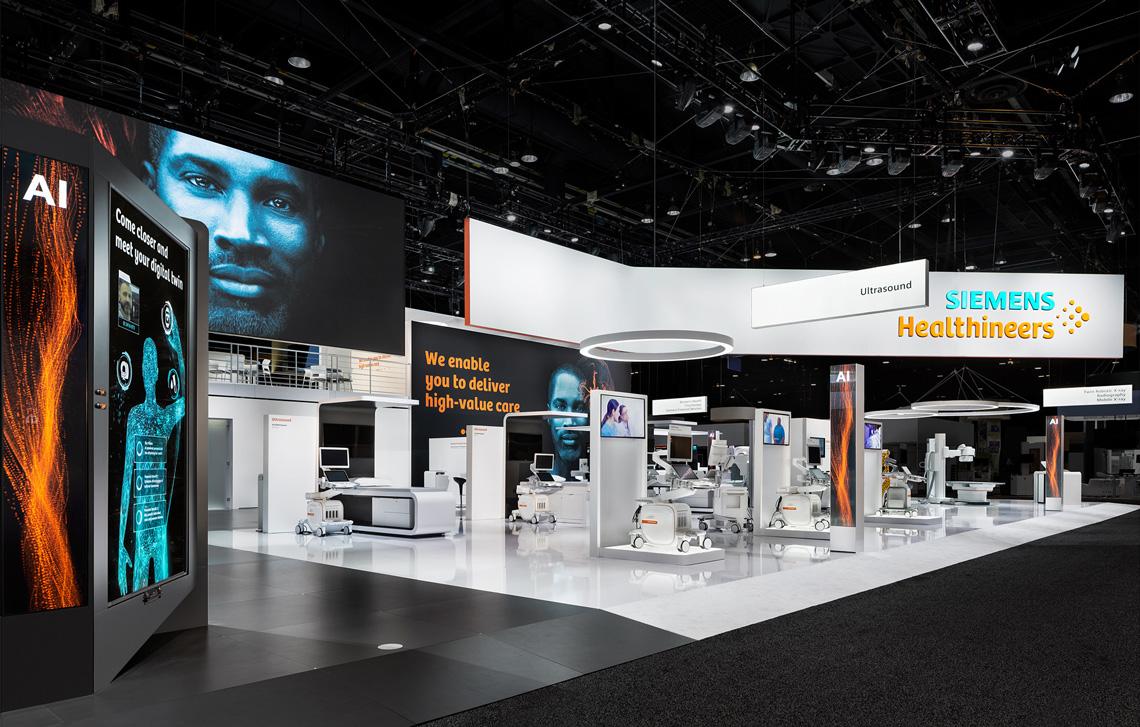
After selecting Bree as the starting place for their Healthineers brand, TypeTogether made further modifications to tailor the typeface perfectly for the health tech client’s needs.
LC: How has Bree evolved over time?
VB: It has many more glyphs now, much broader script support, and improved spacing and kerning.
JS: We did a proper review and extension in 2019—so about 12 years later.
VB: And now we have Bree Devanagari coming out.
JS: That’s done in-house—Pooja Saxena is leading that, together with collaborators.
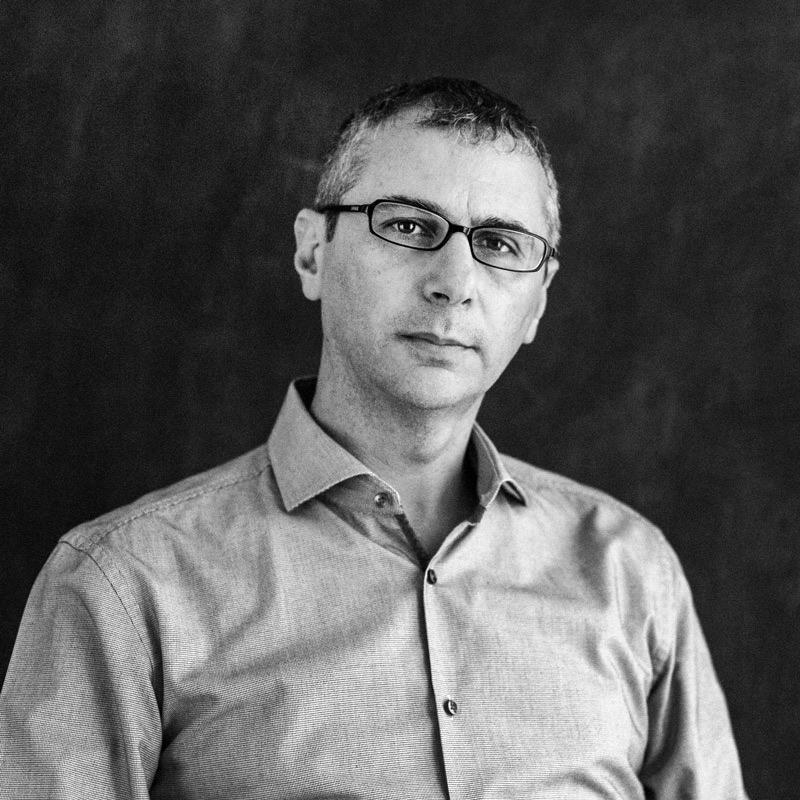
José Scaglione is an Argentinian typeface designer, lecturer and author specialized in typography.
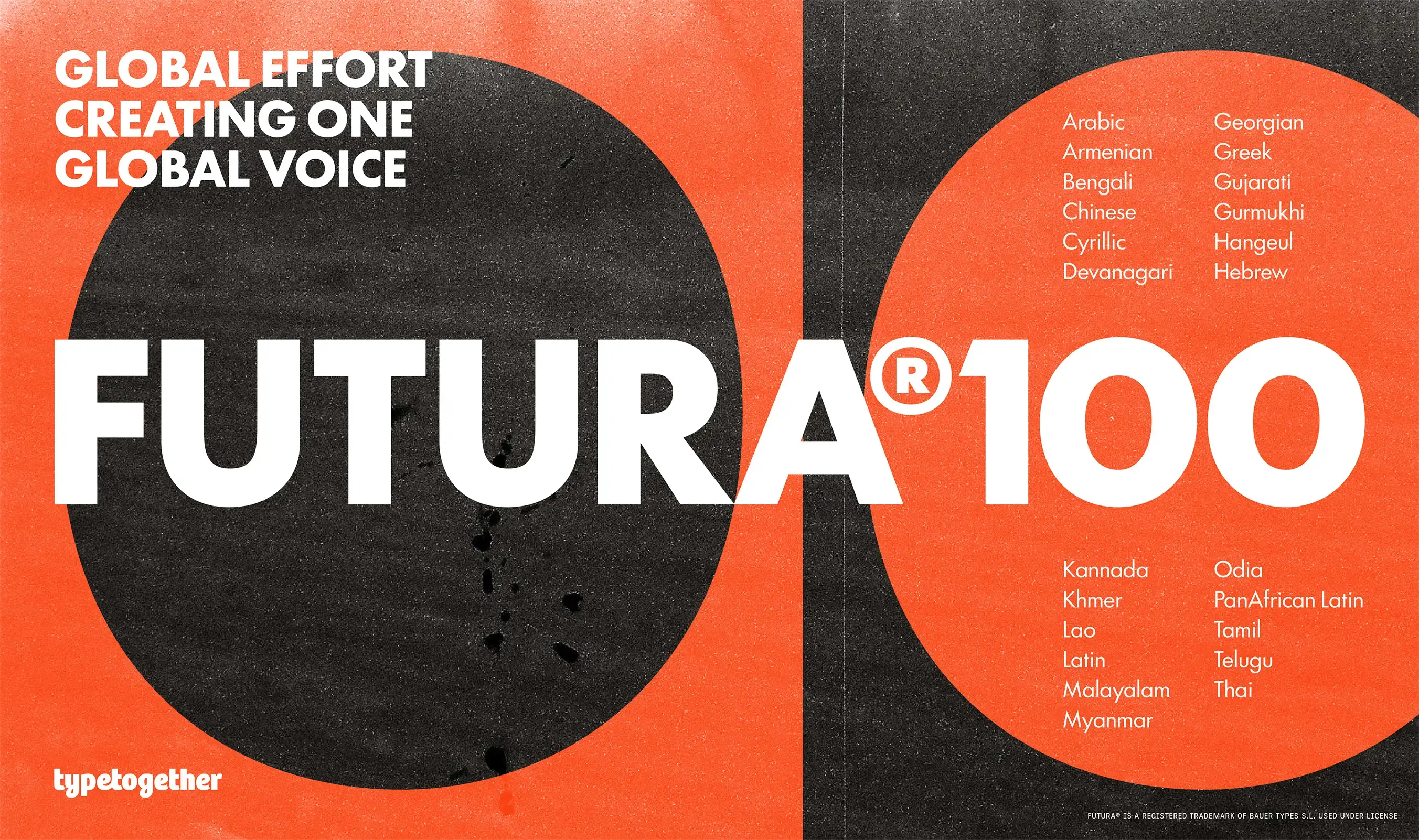
LC: How did Futura®100 come about?
JS: Part of it is opportunity—we have a good relationship with Bauer Types.
But from a more personal standpoint, there is something about Futura that is quite unique. Even compared to other widely used typefaces, it feels different.
It’s a product of a very specific moment in time—a moment of change. I don’t want to romanticize modernism too much, but there is something special about it.
Even today, when you compare it to other geometric sans serifs, it still feels more personal, less purely theoretical. It doesn’t feel untouched—it feels human.
VB: Yes, it has its charm. And I think that comes partly from the fact that Paul Renner intended it as a text typeface.
I’ve seen original samples of Futura at 6 point, and they are absolutely beautiful. That really surprised me.
He was a book designer, so he had a different approach—he understood typography deeply, the history, how text works.
So even though Futura is the “mother of all geometrics,” it has these idiosyncrasies that make it feel warmer than many later geometric sans serifs.
Then there’s also the timing—2027 is the centenary of Futura. Combined with our relationship with Bauer Types, it created the right moment to propose creating a multi-script adaptation.
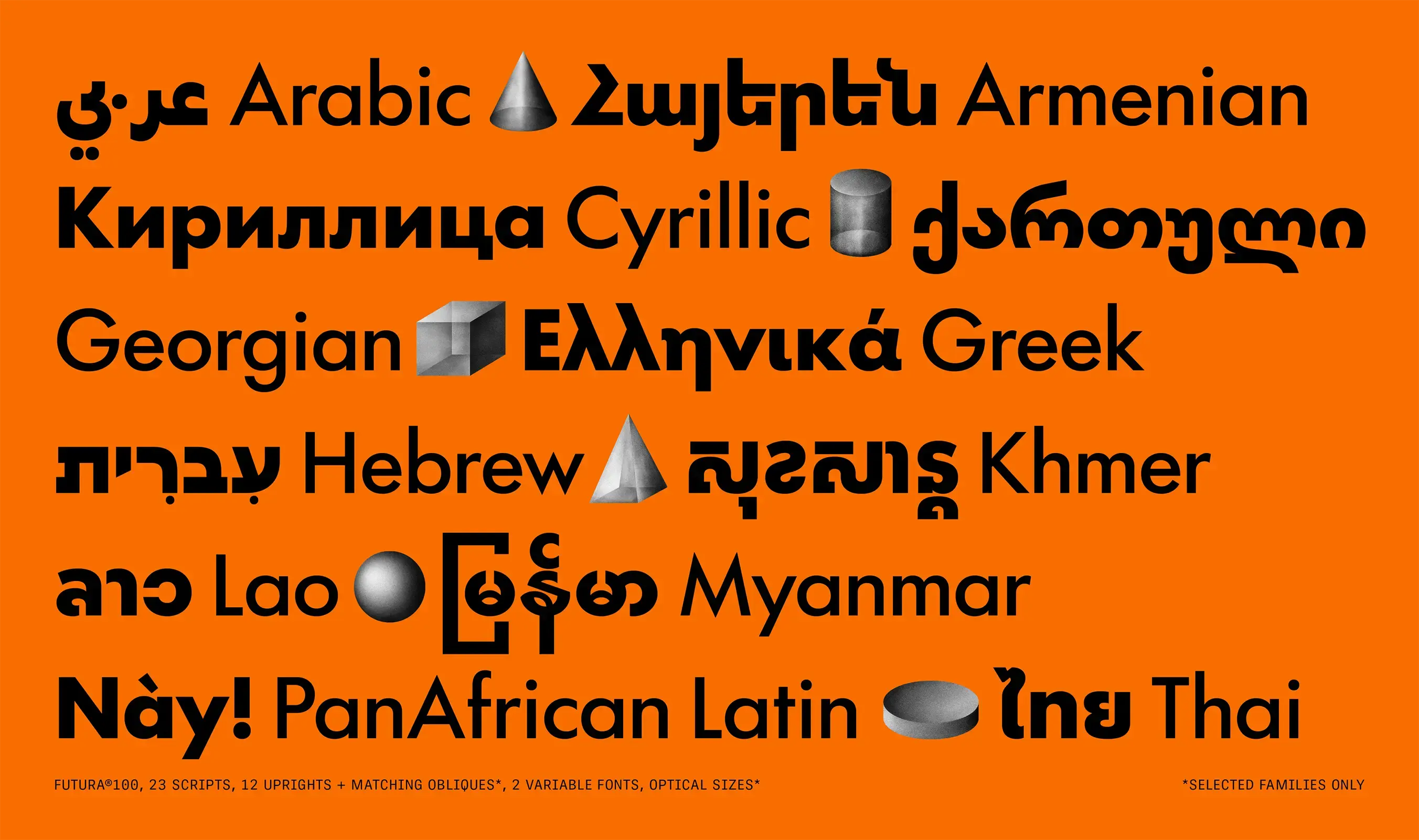
Futura essentially exists in only Latin, Greek, and Cyrillic; it doesn’t really exist in other scripts, so we saw an opportunity to extend it in that direction.
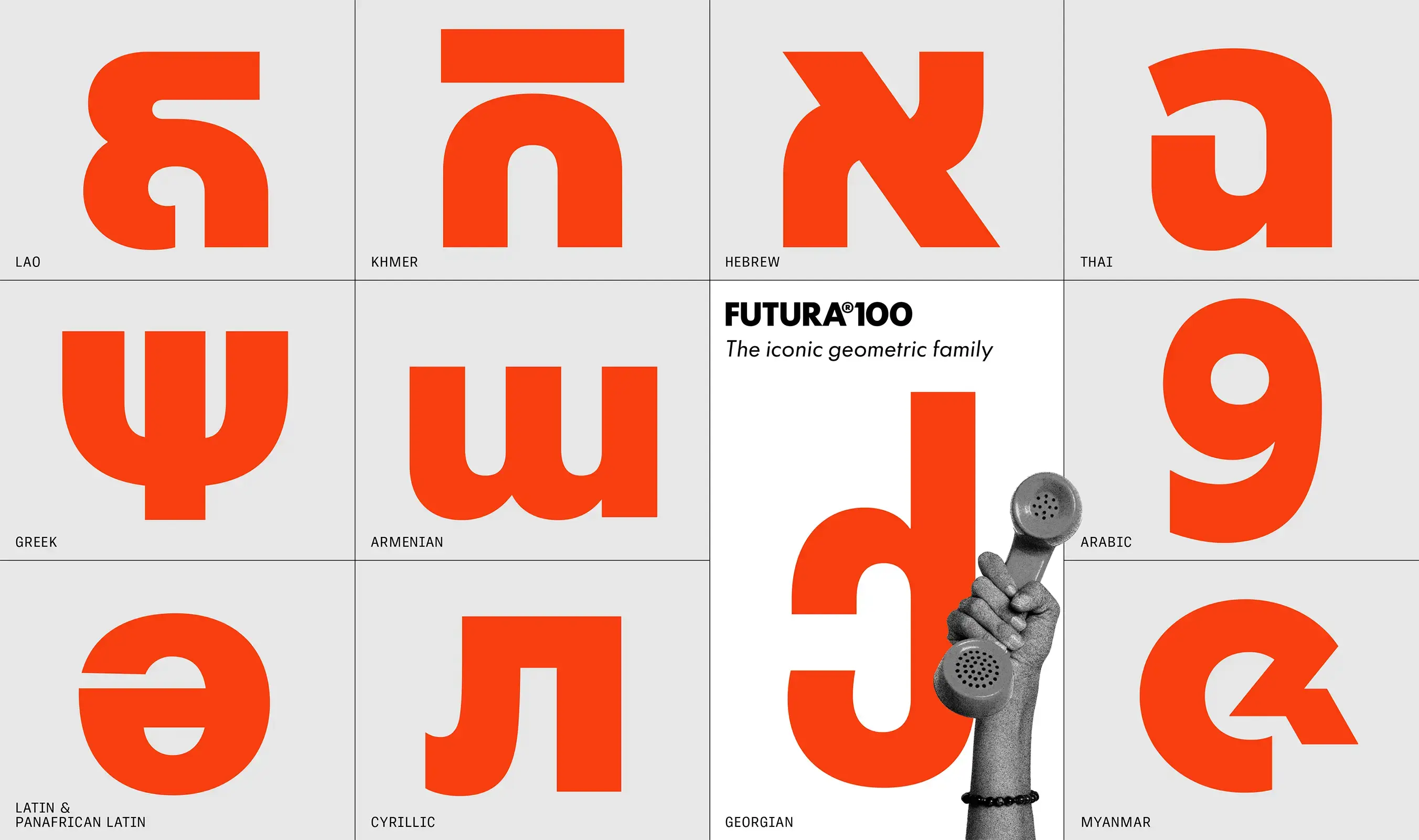
JS: It also fits into TypeTogether’s broader structure. We’re not only working in retail and custom type, but also in what we call “special projects”—long-term projects that require research and collaboration.
And this is where our distributed structure becomes an advantage. We don’t have a single office—we have a network.
VB: Yes, we call it an extended family. People we know, trust, and enjoy working with.
For Futura, especially, we wanted not just local designers but also local consultants—so that decisions are validated from multiple perspectives.
Because some scripts are very far from Futura’s original logic—like Bengali—it becomes a process of interpretation, not just translation.
Licensing
Upgrade your brand to use the latest version of Futura. Talk to us about enterprise licenses of Futura®100.
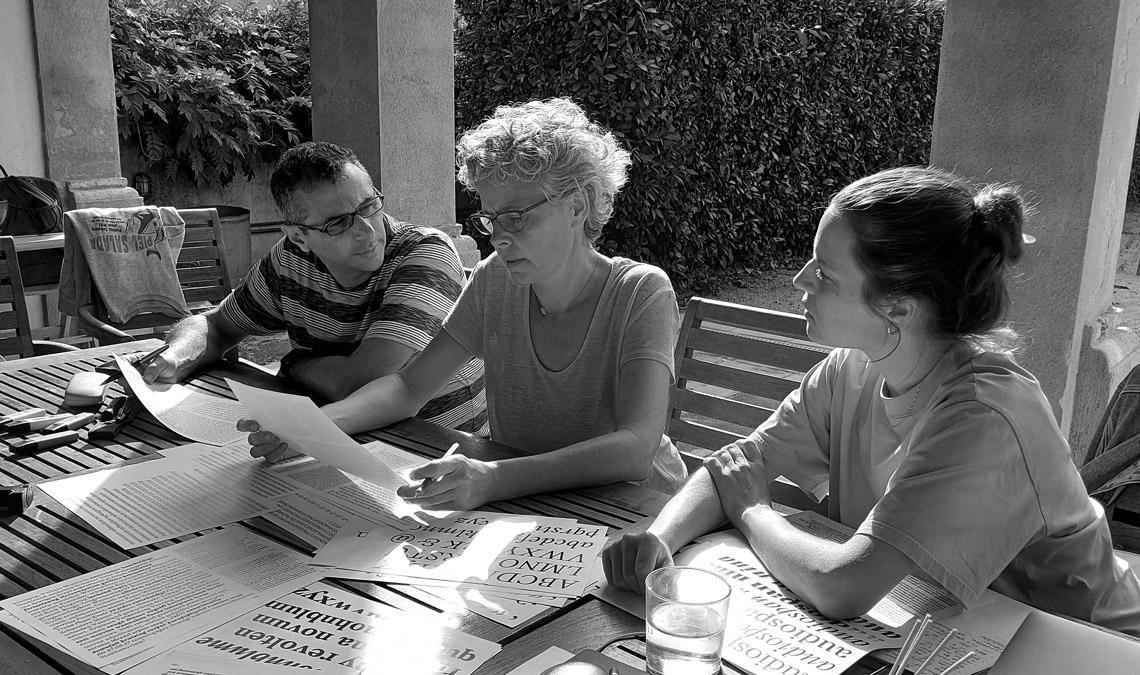
Nina Faulhaber, José Scaglione, and Veronika Burian looking at Aeroplan, selected for the 2021 scholarship programme. (2022)
LC: Can you talk about some of your other special projects?
JS: One of the best-known is the Gerard Unger Scholarship. That’s a long-term project for us, and this year we’re celebrating its 10th anniversary with an exhibition and a book.
VB: It started quite small—just a few of us—and has grown into something the whole company participates in. Everyone contributes, reviews work, conducts interviews, takes part in the selection process.
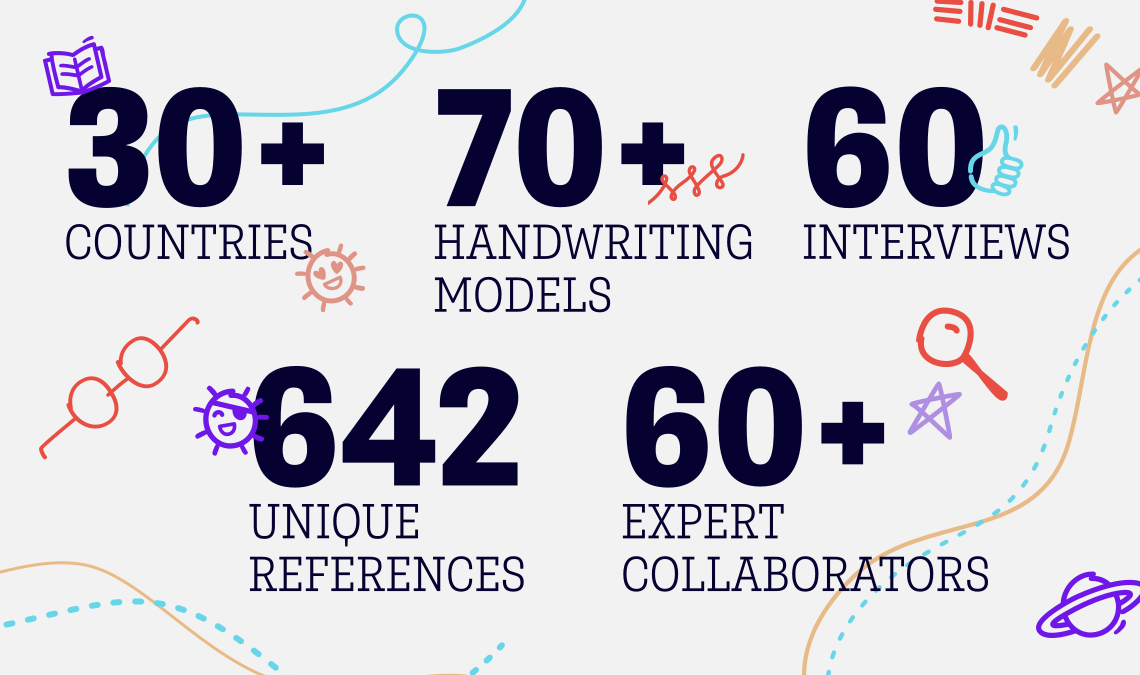
Primarium began as an in-depth, global research project that asked, “How is Latin-based handwriting being taught in early childhood education?”
JS: Another project is the Primarium Project, which is research on handwriting education across more than 40 countries—now expanding further.
We’re applying for external funding to extend it to additional scripts.
VB: It’s a fascinating topic because everyone can relate to handwriting. It doesn’t matter if you’re a designer or not—you have memories, preferences, frustrations.
It has been very interesting to approach it with proper research methodology, and to develop both a publication and a digital platform.
Bely Display
Regular
Starting at $35
Buy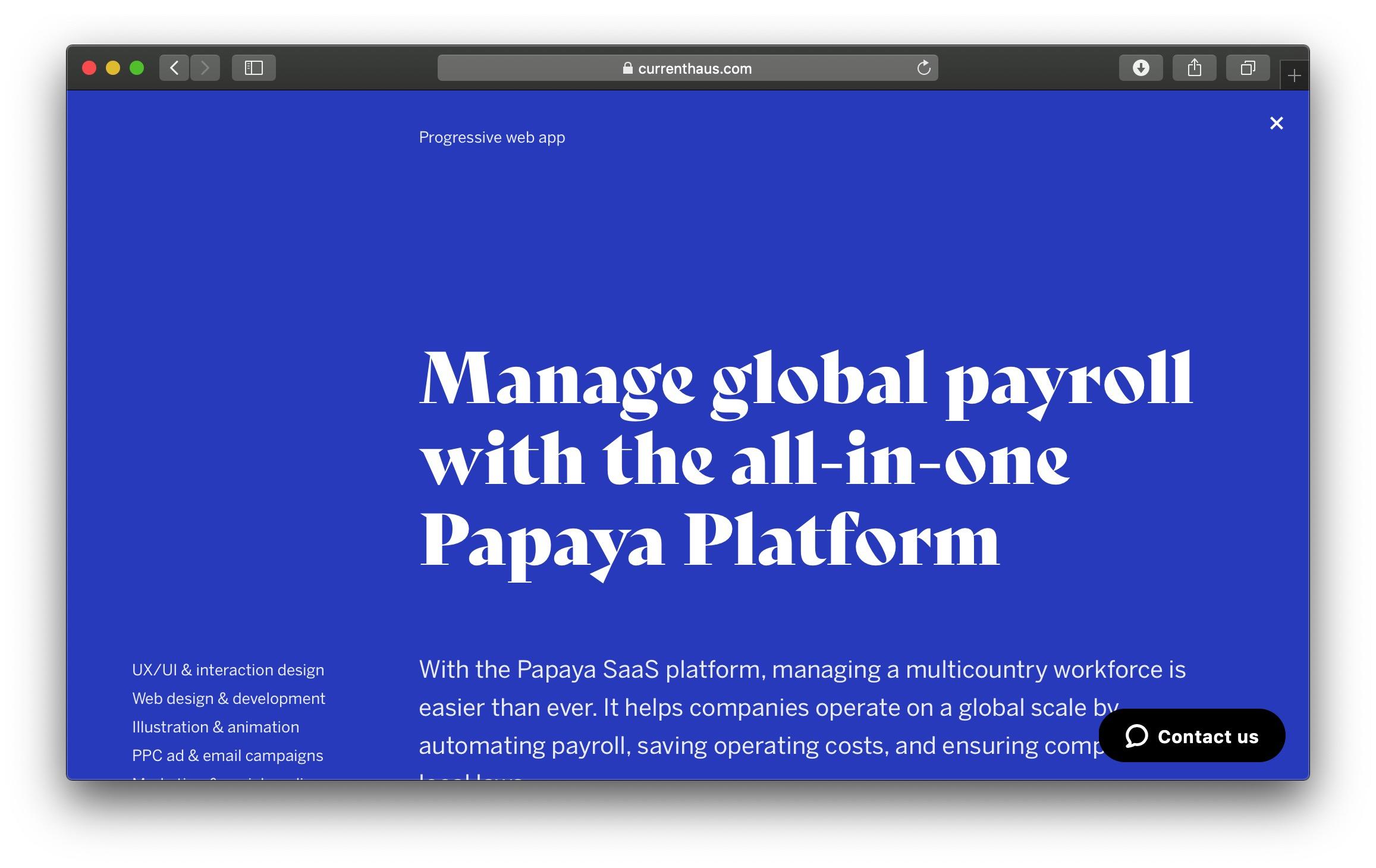
Branding and strategy team Current Haus specializes in bringing digital experiences to global customers. Bely Display anchors the Current Haus creative agency website in a big way.
LC: How does your process differ between retail and custom work?
JS: Retail typefaces evolve slowly. We sketch, revisit months later, refine over time, and only when it feels ready do we fully commit to production.
VB: With custom work, you don’t have that luxury! You need to move faster, but the process is still iterative.
There’s usually a research phase, and a lot of communication with the client—understanding what they actually need.
Some clients have a clear brief and can speak in typographic terms. Others don’t realize the complexity—that it’s not something you can do in a weekend.
It’s like master artists—people see a simple result, but not the years of experience behind it.
Adelle Mono Flex
Regular
Starting at $35
BuyLC: What would be a dream project?
JS: Something that pushes us into new territory—something we haven’t done before.
VB: Ideally something beyond purely commercial branding—perhaps cultural or societal.
JS: That’s what we try to achieve through our special projects, but commissions in that direction are always wonderful.
LC: What’s next for TypeTogether?
JS: The 20th anniversary next year—that’s a big milestone.
VB: And continuing to look for new challenges—that’s what keeps things interesting.
LC: What do you enjoy about being part of Type Network?
VB: We like working with people we like—that’s important.
JS: And the collaborative model resonates with how we work.
VB: I liked the idea from the beginning—different partners working together and creating balance in the industry.
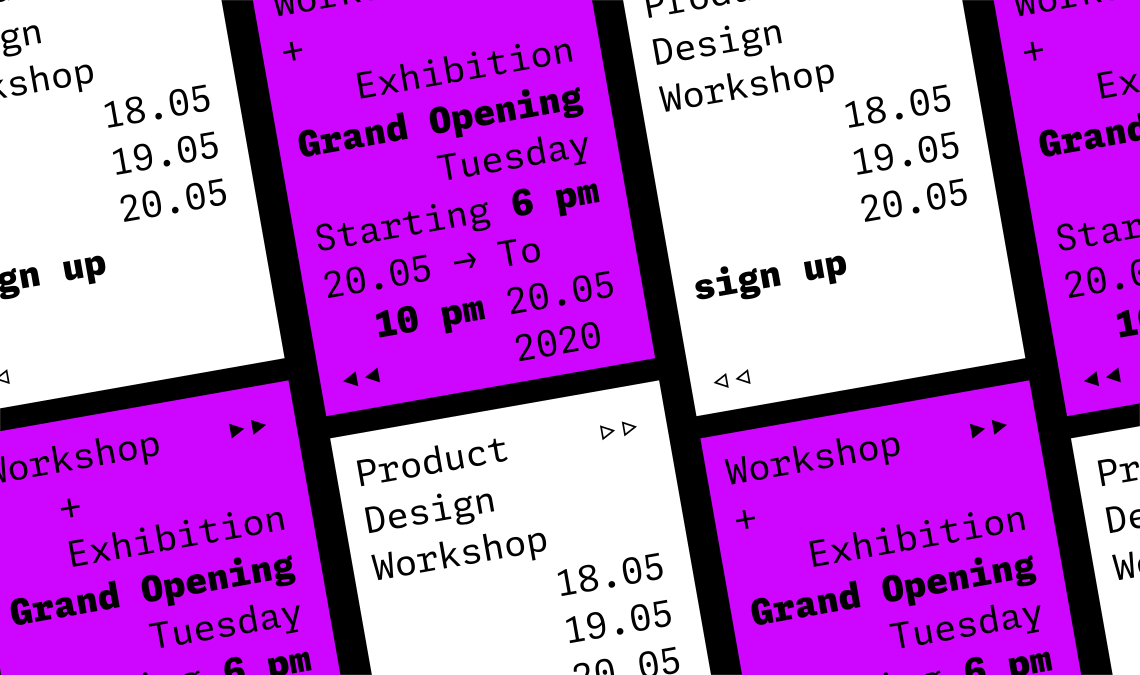
Adelle Mono is a flexible two-width family: monospace for writing code writing and proportional for regular use.
All TypeTogether fonts are available for print, web, applications, server, and enterprise licensing. To stay current on all things TypeTogether, subscribe to our email newsletter featuring font analysis, designer profiles, type and design events, and more.
About Futura®
Original design: Paul Renner
Copyright of the original design: Bauer Types S.L.
Copyright of Futura®100: TypeTogether (with authorization from Bauer Types).
Futura® is a registered trademark of Bauer Types S.L. Used under license.