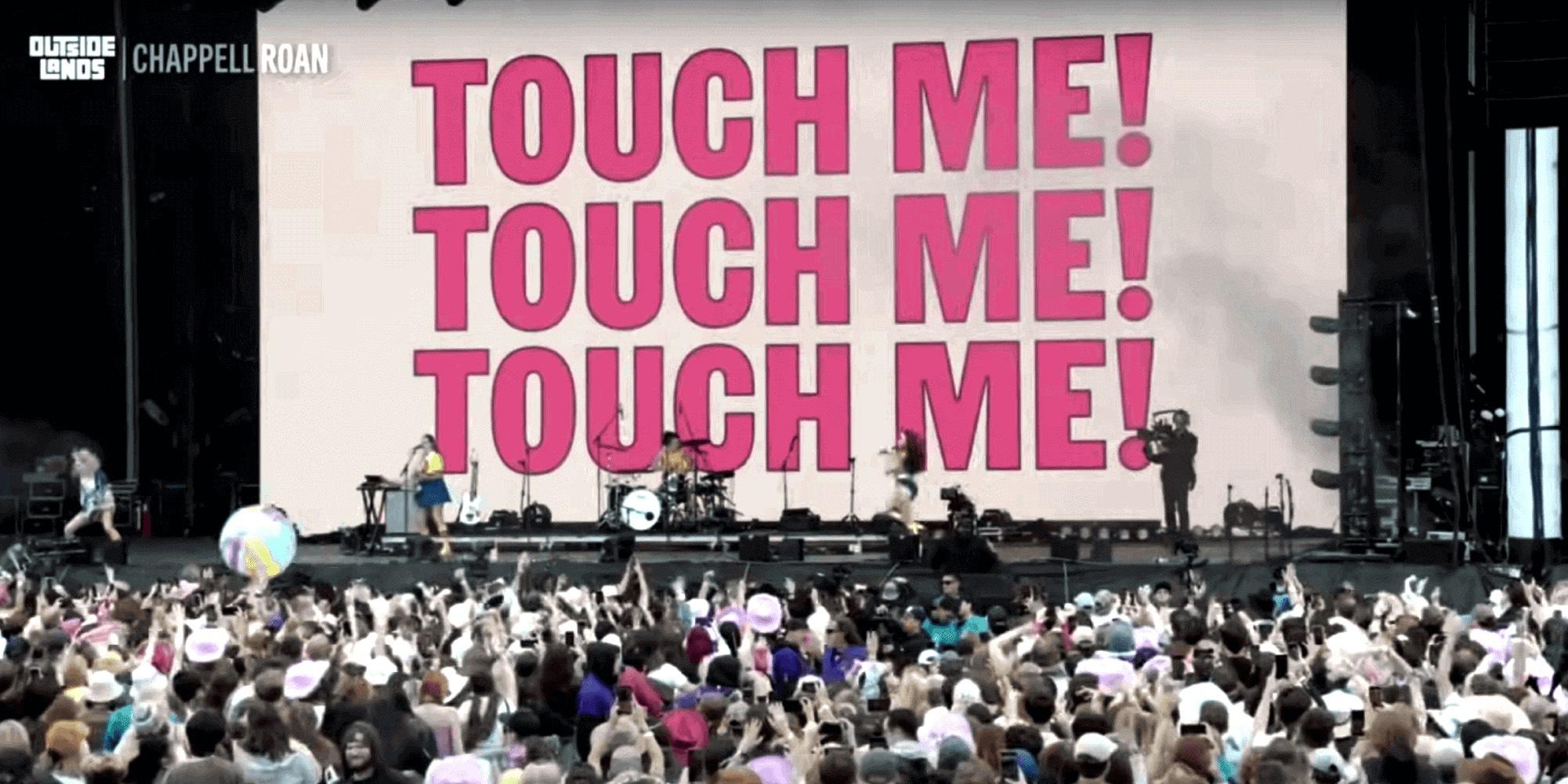
Amazon Music Outside Lands Festival 2024 Live Stream With Ringold Sans In Use. Source: Amazon Music, retrieved from the official festival live stream.
Ringold Sans takes the stage: The perfect choice for Chappell Roan’s stage graphics
Chappell Roan’s bold and theatrical style has quickly made her a standout in the music industry, and her performances at Outside Lands and Coachella in 2024 were no exception. The visual identity of her set was highlighted by the use of Ringold Sans, a font from partner
Bijou Type
that perfectly captures the spirit of her performance. Clean and striking, yet warm, Ringold Sans added a modern yet approachable touch to the event, aligning seamlessly with Roan’s emotive and genre-defying music.
A typeface with spirit
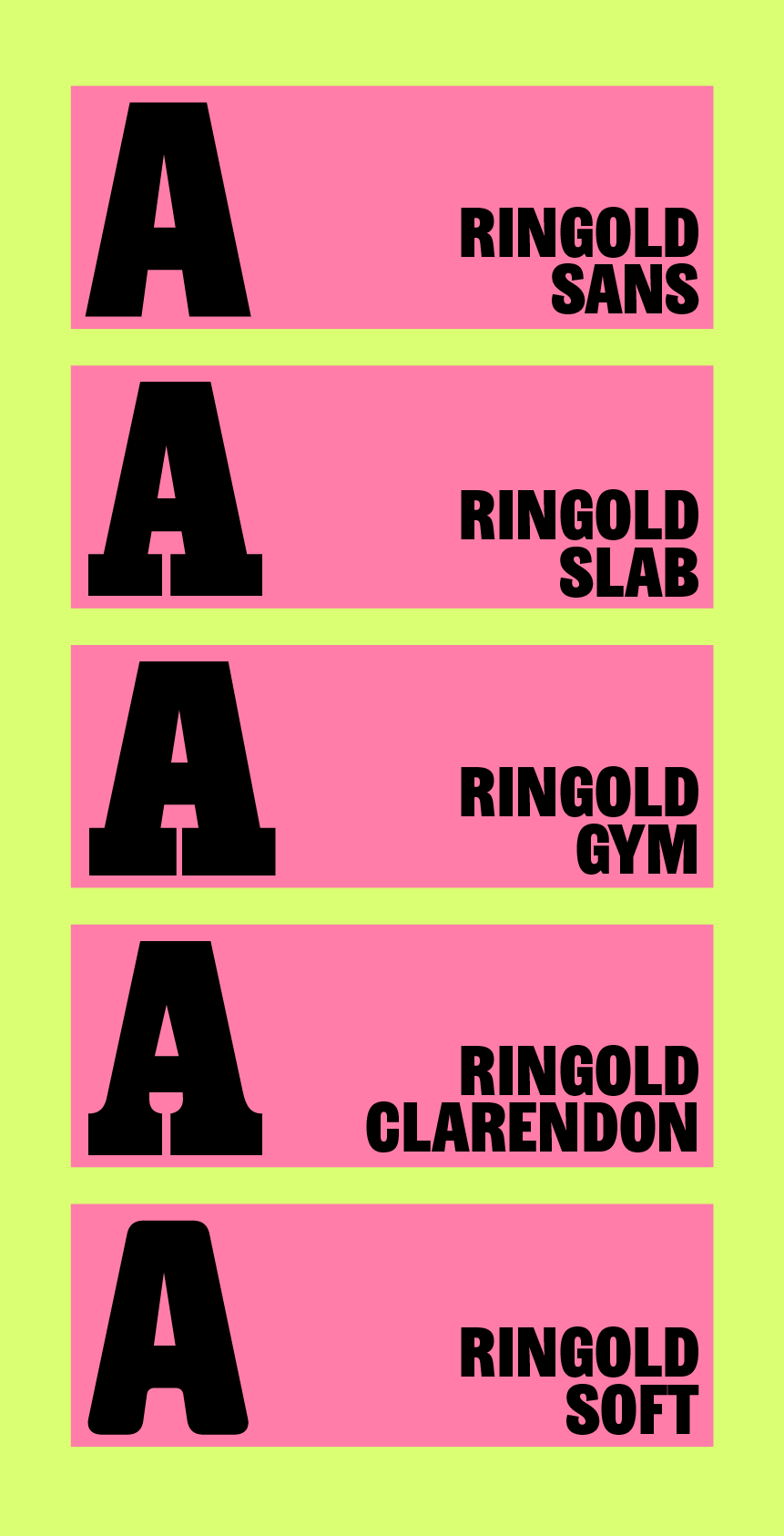
Designed by Dan Rhatigan of Bijou Type, Ringold is known for its versatility and personality. The family includes five styles—Ringold Clarendon, Ringold Slab, Ringold Gym, Ringold Sans, and Ringold Soft—each offering a distinct take on the same core design. What sets Ringold Sans apart is its ability to maintain charm and approachability despite its heavy, structured letterforms. This balance makes it an ideal choice for large-scale stage graphics, where clarity and visual impact are essential.
As Rhatigan describes it, Ringold Sans “removes the serifs but holds onto the warmth,” creating a font that feels strong yet inviting. It’s a font that speaks with both professionalism and personality, making it a perfect match for an artist like Chappell Roan, whose music blends vulnerability with confidence.
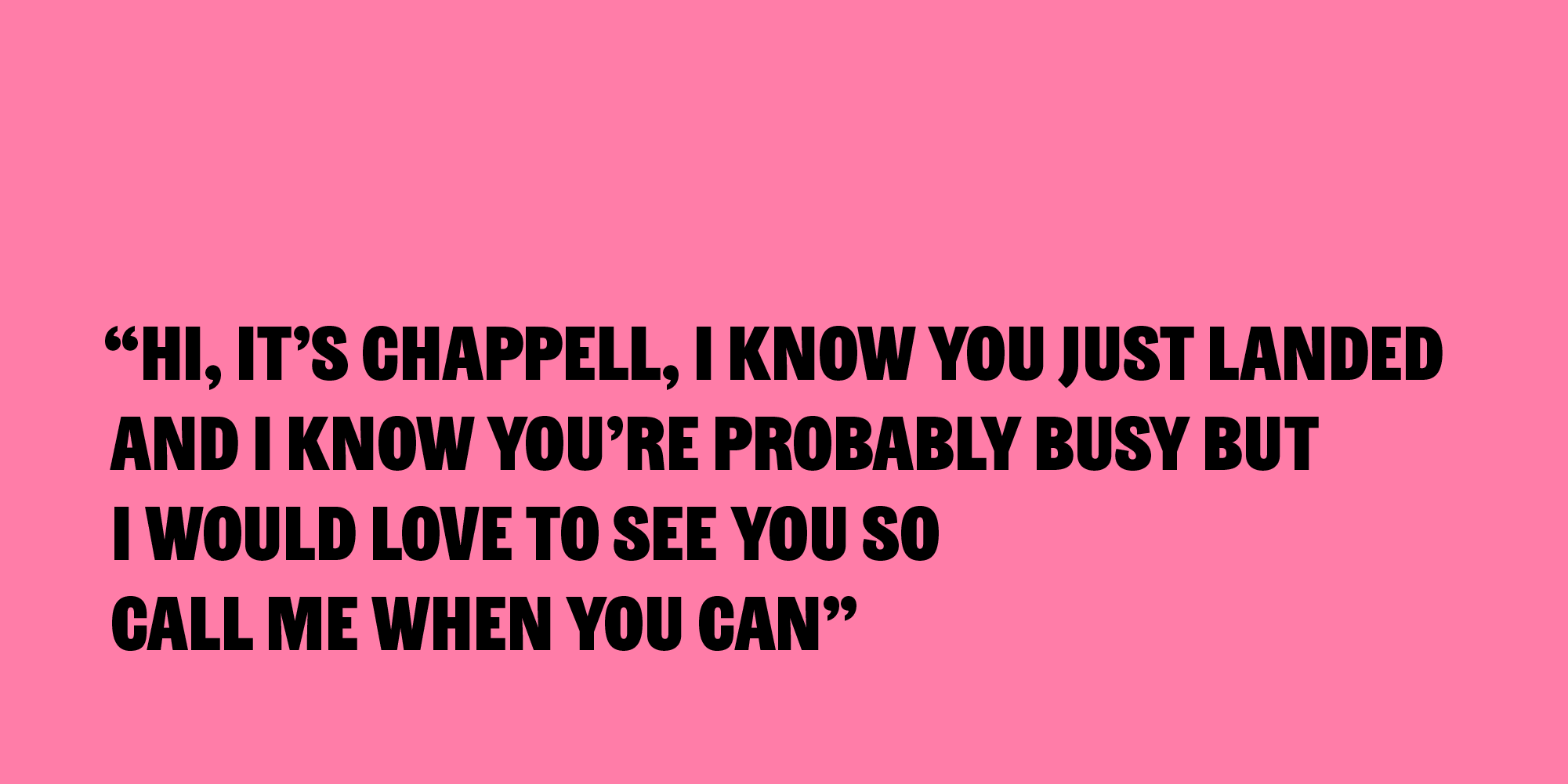
Why Ringold Sans works
Roan’s performances are a visual and auditory experience, and the choice of Ringold Sans for the stage graphics helped to elevate the entire set. The font’s boldness matched Roan’s commanding stage presence, while its subtle tenderness reflected the emotional connection she fosters with her audience.
Dan Rhatigan, the designer of the Ringold typeface and founder of Bijou Type, shared his excitement about this pairing, stating, “I especially love it when Ringold—whose styles all draw from the use of type in vintage gay magazines—is used in service of anyone who so openly celebrates queer culture.” This connection between the font’s origins and Roan’s embrace of her own queer identity made Ringold Sans an especially fitting choice for the performance, reinforcing the connection between typography and the artist’s message.
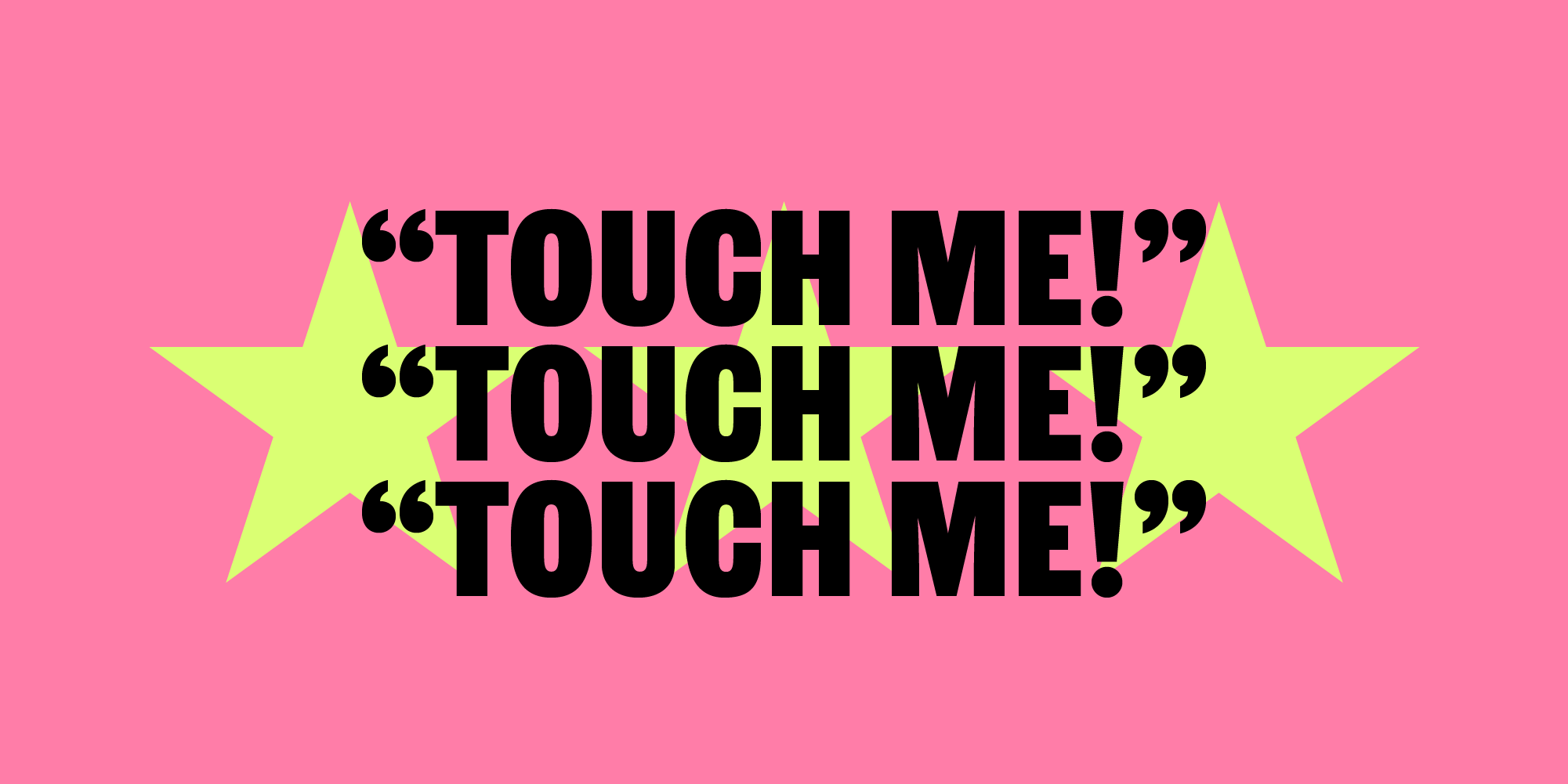
The stage visuals, created by Ramisha Sattar, brought the font to life in a big way. For Sattar, the choice was obvious: She shared, “I chose that font because I love the way it looks in all caps, and with a stroke outline.” Sattar's simple typography ensured that the font was not just readable, but also visually striking, adding depth and character to the performance.
In addition to its aesthetic qualities, Ringold Sans supports over 505 languages, making it a globally accessible font. This is particularly important for artists like Roan, who are expanding their reach to international audiences. With its ability to adapt to different contexts, Ringold reinforces the global appeal of Roan’s performances.
A new era of typography in live performances
The use of Ringold during Chappell Roan’s performances demonstrate the power of thoughtful typography in live event design. Clean yet warm, the font complemented Roan’s theatrical style, while adding simplicity and impact to her stage visuals. As part of the versatile Ringold family from Bijou Type, Ringold Sans has become be a top choice for designers wanting to balance modernity with human connection, and it couldn’t have been a better fit for an artist so proudly embracing her queer identity.
Inspired by this use of Ringold Sans? Visit our font catalog to explore the full Ringold family and discover more typefaces to enhance your design projects. Whether you’re creating bold headlines, immersive stage graphics, or anything in between, Type Network offers licensing options for print, web, apps, and more.

Dan is a typographer with over 3 decades of eclectic experience as a typesetter, graphic designer, typeface designer, and educator. He has held senior roles at Monotype, Adobe Fonts, and Type Network, alongside publishing his own typefaces and collaborations through Bijou Type.
Ringold can be licensed for print, web, mobile apps, and ePubs. Webfonts may be tested for thirty days, and desktop trials are available upon request. Have a licensing question? Visit our support page or talk to us.