Manic Type launches with four new typefaces
Named after the manicule—not the state of mind—Jamie Chang’s foundry, Manic Type, is joining Type Network. Here, Chang shares four energetic new typefaces, and explains how each demands a different design process, how some faces request their curves, and why he draws inspiration from William Morris and Rudolf Koch.
If you can remember a specific moment, when and why did you become interested in type design?
I think I have a lot of ‘moments’ in my life that have led me to type design. One of the earliest would be from one of my best friends in high school. Our conversations jumped from topic to topic, and one of those happened to be type design, specifically the work of Hoefler and Frere-Jones. The idea of type design intrigued me, and luckily, I was reintroduced to the study during university. I loved logo-making, typography, and branding in university; and type design combines the aspects of those practices that I enjoyed the most. Fortunately, I had the opportunity to attend a workshop during the summer of my junior year that made me fall in love with type design. From that point, my curiosity and passion for the discipline took over, leading me to attend Type@Cooper and Type and Media.
What is the story behind your first typeface?
I think my first typeface was probably like many others’ firsts: terrible. I designed it at a CraftingType workshop hosted by Aoife Mooney and Octavio Pardo. It was a short, 3-day workshop where we worked on Glyphs Mini; it was certainly an eye-opening experience. The typeface was a brush-influenced face with comical flavor.

Why did you start your own foundry, and what is the story behind your foundry’s name?
I started working on the catalogue for Manic Type soon after Type and Media. I loved the idea of running my own foundry, and it was something that had been in the back of my mind for a while. The name Manic Type actually has very little to do with being ‘manic.’ Our ‘manic’ comes from the Latin name of the typographic pointing finger, the manicule/manicula. My hands are important to me, and I wanted to relate my work with my hands; this seemed like a fun way to do it.

Manic Type is an independent type foundry that focuses on providing tactile typography for textural fanatics.
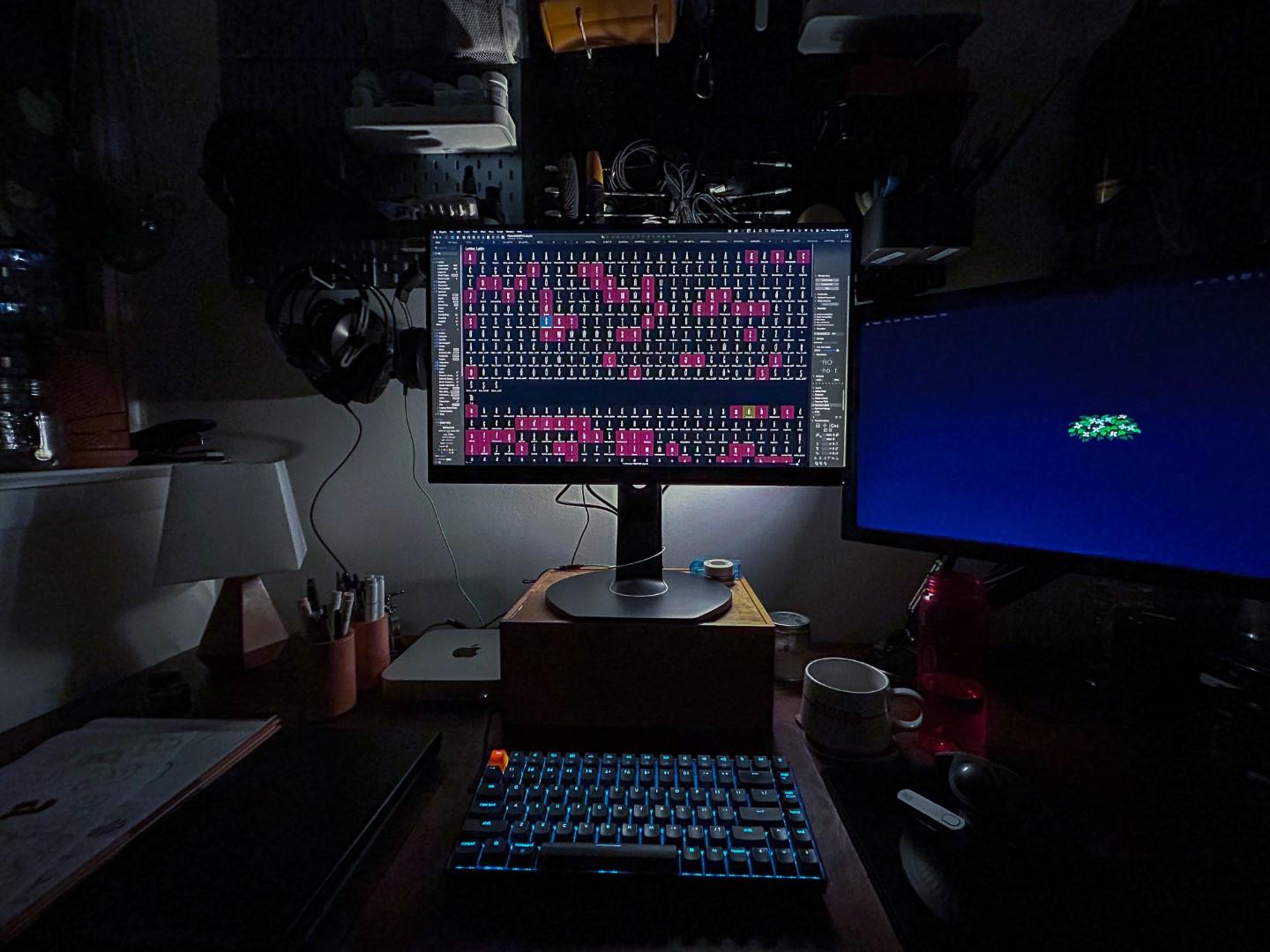
Jamie Chang keeps a tidy, albeit dark, workstation. Here, he looks through the glyphset of an upcoming release.
How do you go about type design?
I find the beauty of type design is in the process. Each project is like shaping a voice, and when you do it right, it starts to speak to you, telling you how it wants to be shaped. Of course, with each different typeface comes a different approach. Some ideas require more exploration, and others just seem to have a mind of their own.
What are your major sources of design inspiration?
I’m most inspired by typefaces that ‘sparkle’ to me. Over the years, I’ve found that a lot of the works I’m enamored with come from the beginning of the 20th century. From Golden Type designed by William Morris to the works of Rudolph Koch, I just love it when letters feel like they have the essence of life in them. I try to inject as much energy and whimsy into my work as possible.
Do you have a favorite example of your type used in the wild?
Honestly, of all the typefaces I’ve designed, I see Moret, published at The Northern Block, the most. In the past couple of years, it has been amazing to see it picked up and used all over. I literally see it everywhere, from books to signs to Netflix and supermarket chains; it has been super cool.
Tell us about the typefaces you are launching on Type Network.
I try to add new and different voices to my catalog. I’m working towards releasing most of my faces on Type Network. The majority of the commercial faces I design can bring something new to the table. I work with FutureFonts, as well, to gauge the interest in my typefaces, and only the best are coming to Type Network.
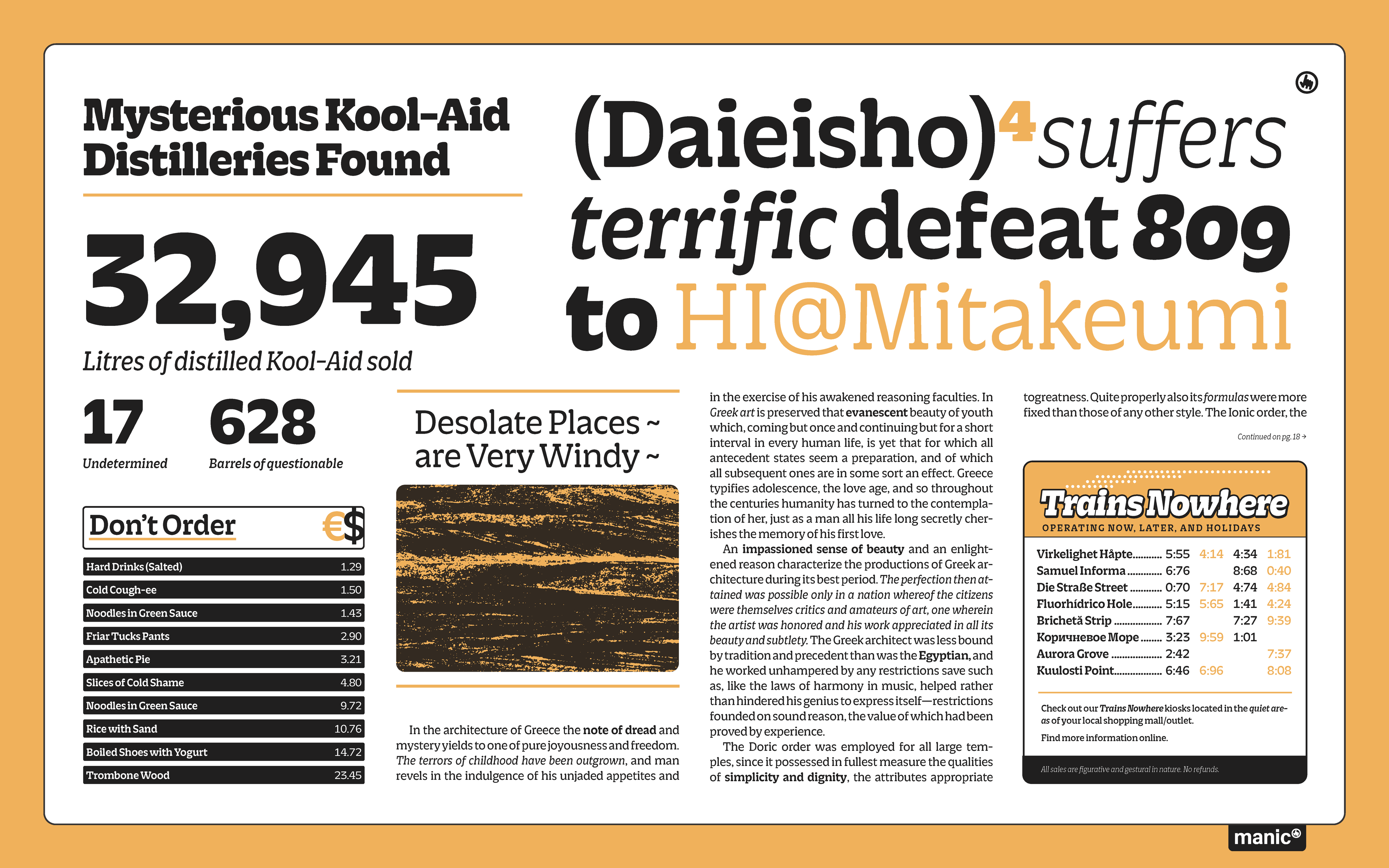
Picholine Antique
Variable
Starting at $60
BuyWhat does it mean for you to be joining Type Network? Who among the foundry partners and staff are you most excited about working with?
I’m incredibly honored to be publishing work on Type Network. Being included in this historic group of foundries and type designers is something that I would have described as a pipe dream years ago. Shout out to Glenda Bellarosa and Guido Ferreyra. Having a dedicated team to help me with the QA has definitely been a boon, and it’s great to know I have people to turn to when I need some help.
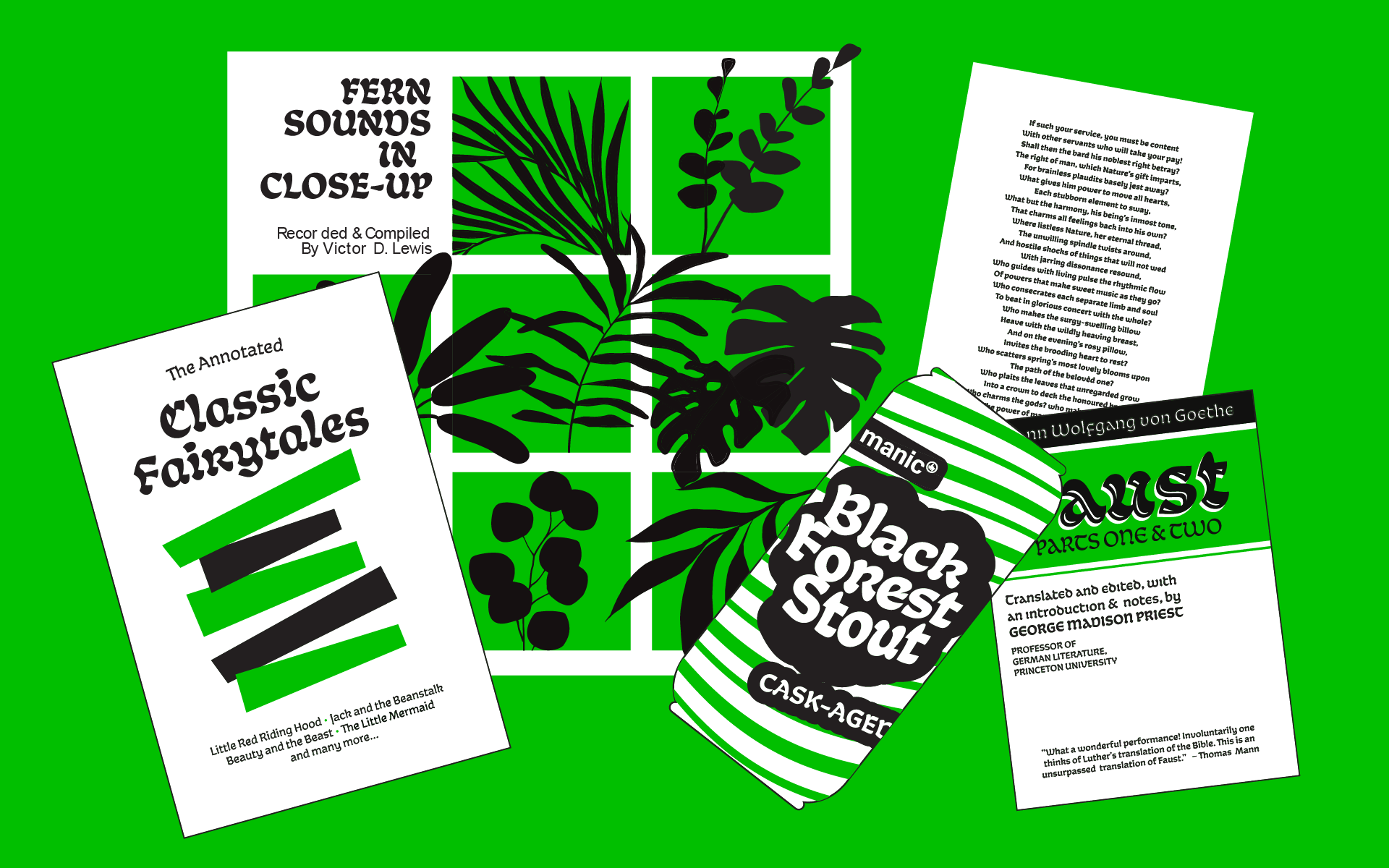
Tumba Display
Variable
Starting at $30
BuyWhat is next for you?
Honestly... More fonts! I’m working on a couple of big families that I’m really excited about. Some of them have been in the works for a couple of years, and we’re getting close to the finish line with them. Hopefully, they will be coming out soon, but I’m sure you know how it goes with typefaces. I’d also like to work on more custom work, so to those looking at our releases, feel free to reach out! Manic Type is open for business! I’m also working towards more teaching. It has been great having an outlet for me to systematize my process and teach it to students who are enthusiastic about type. It has taught me so much about my own practice from the process.
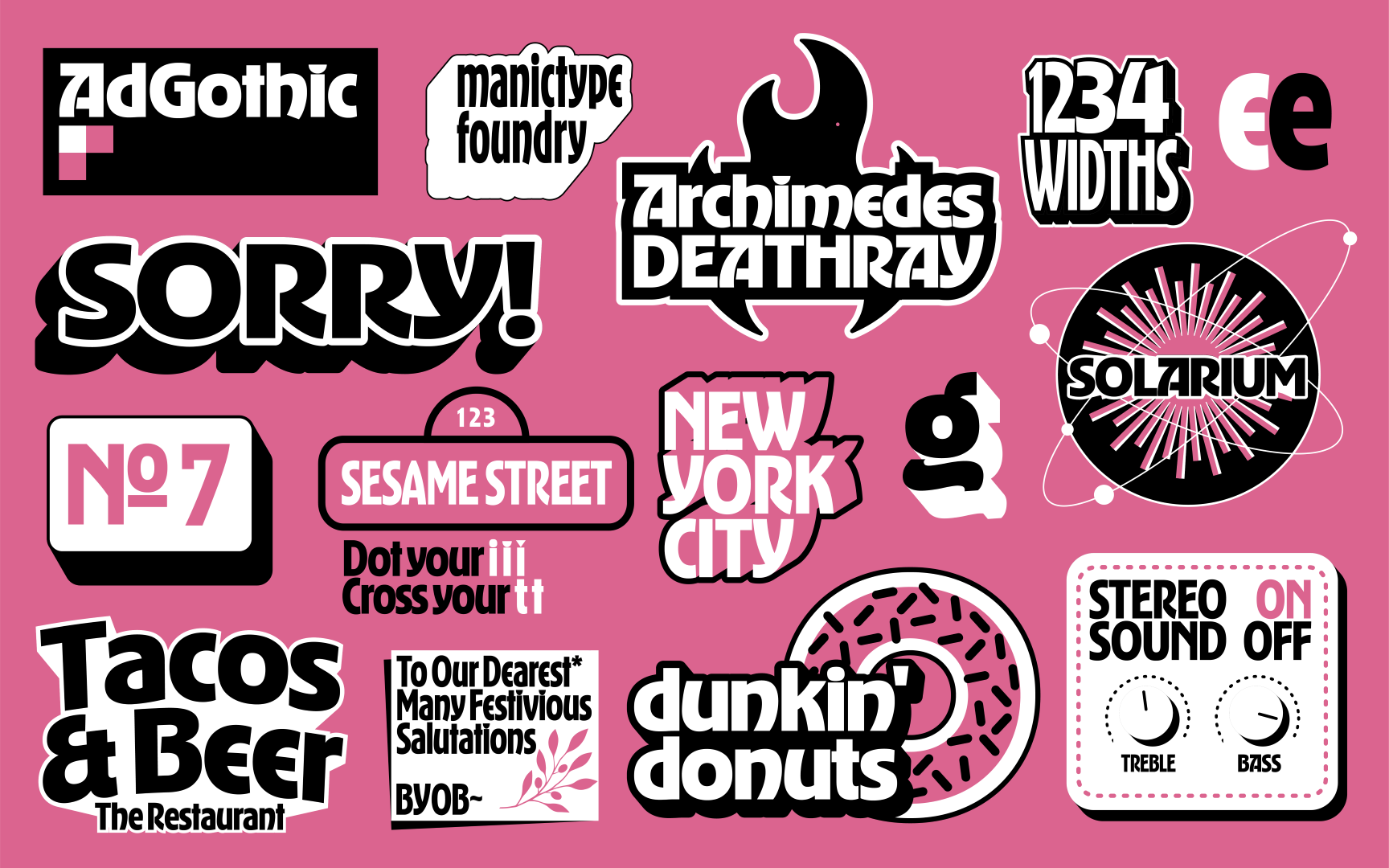
AdGothic, Picholine Antique, Tumba Text, and Tumba Display can be licensed for print, web, mobile apps, and ePubs. Webfonts may be tested for thirty days, and desktop trials are available upon request. Have a licensing question? Check out our support page or get in touch.